Rechercher dans ce blog

Thursday, February 1, 2018

Trump Warns Republicans Against Labeling Young Immigrants as 'Dreamers'

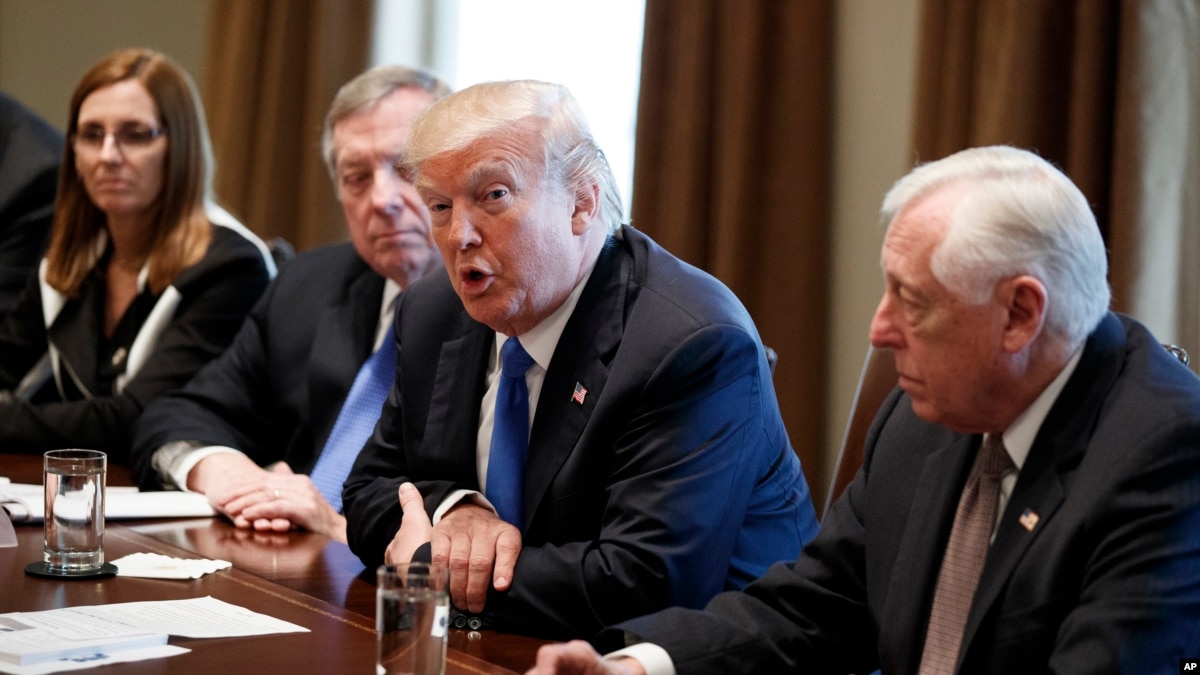
U.S. President Donald Trump warned Republican lawmakers Thursday against labeling hundreds of thousands of young immigrants facing deportation as "Dreamers," as their advocates call them while trying to keep him from returning them to their native countries.

"Some people call it Dreamers. It's not Dreamers. Don't fall into that trap," Trump told the Republicans at a political party retreat at a West Virginia resort. "We have dreamers in this country, too. We can't forget our dreamers."

The term Dreamers is derived from the DREAM Act, legislation that would have protected young immigrants brought to this country as children from deportation but was not passed by Congress. Deferred Action for Childhood Arrivals, an administrative program implemented under former President Barack Obama, provides many of the same protections and authorizes the young immigrants to work in the United States.

Trump plan

Trump last year rescinded DACA but gave Congress until March 5 to weigh in on the issue. He has proposed a 10- to 12-year track to citizenship for about 1.8 million younger immigrants who have DACA protection or are eligible for its guarantees.

The president said Thursday that he hoped Congress would reach an agreement on legislation to protect DACA beneficiaries, but he accused Democrats of politicizing contentious immigration issues while not seriously trying to resolve them.

"We want to take care of DACA and I hope we will," Trump said. "We need the support of the Democrats in order to do it, and they might not want to do it. They talk like they do, but ... we're going to find out very soon. To get it done, we'll all have to make some compromises along the way. We have to be willing to give a little in order for our country to gain a whole lot."

​'Sanity and common sense'

Trump, as he did in his State of the Union address earlier in the week, called for the Republicans to adopt his immigration reform plans. His proposals include protection of the young immigrants who years ago were brought illegally into the country by their parents; construction of a wall along the southern U.S. border with Mexico to thwart more illegal migration; an end to a lottery for immigration applicants; and stricter family migration policies.

"What the American people are pleading for is sanity and common sense in our immigration system," Trump said.

He said Democrats "want to use [immigration] as an election issue." But he contended that with his proposal, which he called a compromise, "it's an election issue that will go to our benefit, not their benefit."

Earlier in the day, Trump said in a Twitter comment, "March 5th is rapidly approaching and the Democrats are doing nothing about DACA. They Resist, Blame, Complain and Obstruct -- and do nothing. Start pushing Nancy Pelosi and the Dems to work out a DACA fix, NOW!" Pelosi is the House Democratic leader.

Trump urged the Republicans to "pass immigration reform that protects our country, defends our borders and modernizes our immigration rules to serve the needs of American workers and of American families. We want an immigration policy that's fair, equitable, that's going to protect our people."

Battle at the polls

He said that if Democrats do not agree to negotiate immigration reforms, then Republicans need to elect more of their party members to increase the size of the majorities they now have in the Senate and House of Representatives.

The immigration debate is linked to discussions between Congress and the White House about funding for government agencies, with a current stopgap spending measure expiring on February 9. The immigration issue was at the center of a funding dispute that led last month to a three-day partial shutdown of government agencies.

Let's block ads! (Why?)

Read More Trump Warns Republicans Against Labeling Young Immigrants as 'Dreamers' : http://ift.tt/2rYZhq7
Longtime US Diplomat Latest to Quit Under Trump

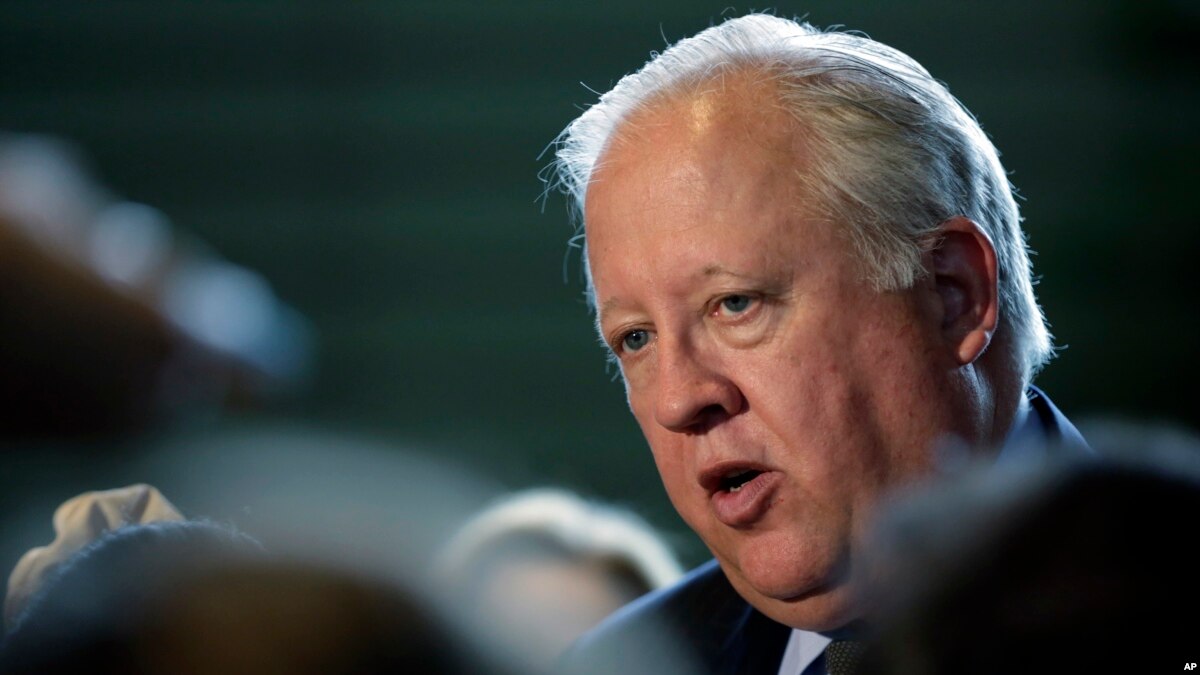
The U.S. government's third-highest ranking diplomat announced his resignation Thursday after nearly 35-years of service, the latest in a steady stream of senior career officers to leave the State Department since Donald Trump entered the White House just over one year ago.

"My decision is personal, and driven by a desire to attend to my family, take stock of my life, and set a new direction for my remaining years," Thomas Shannon said in a statement.

Secretary of State Tillerson told the Associated Press he asked Shannon not to resign and admitted Shannon's departure would be a loss. "Thirty-five years of experience is not something you replace overnight," he said. Tillerson praised Shannon for his "encyclopedic" knowledge of U.S. diplomacy and added, "There will always be a place for Tom Shannon at the State Department.''

Despite Tillerson's words of praise, Shannon's departure is likely to trigger renewed criticism from detractors of the administration that Trump and Tillerson are gutting the foreign service, which has created serious morale problems among the ranks.

Under Secretary for Public Diplomacy Steven Goldstein denied Shannon's departure was related to low morale amid severe budget cuts and reorganization at the State Department, where Shannon.

Goldstein said Shannon had been hoping to spend more time with his father following the recent death of his mother and said Shannon told Tillerson he would remain at the agency during the first year of Tillerson's transition, and the one-year mark arrived Thursday.

"The secretary is as regretful as everyone else but we respect the decision he has made," Goldstein said in Greenbrier, West Virginia, where he and Tillerson are meeting with Republican lawmakers at a retreat.

Shannon's resignation leaves another void in the upper echelons of the State Department, where 13 assistant secretary and undersecretary positions and dozens of ambassadorships remain unfilled.

The 60-year-old Shannon has agreed to remain at the agency for a few months while another undersecretary is confirmed by the Senate.

Shannon is widely respected in the U.S. diplomatic community, having served under six presidents.

"... my service has been defined by our oath of office and the commitment we make to protect and defend our Constitution, our institutions, and our values," Shannon said. "Underlying this commitment is our deep respect for the will of the American people and a determination to advance the interests and well-being of our nation by ensuring the success of our elected governments."

Let's block ads! (Why?)

Read More Longtime US Diplomat Latest to Quit Under Trump : http://ift.tt/2GFchV5

Pelosi Calls for Removal of House Intelligence Chair

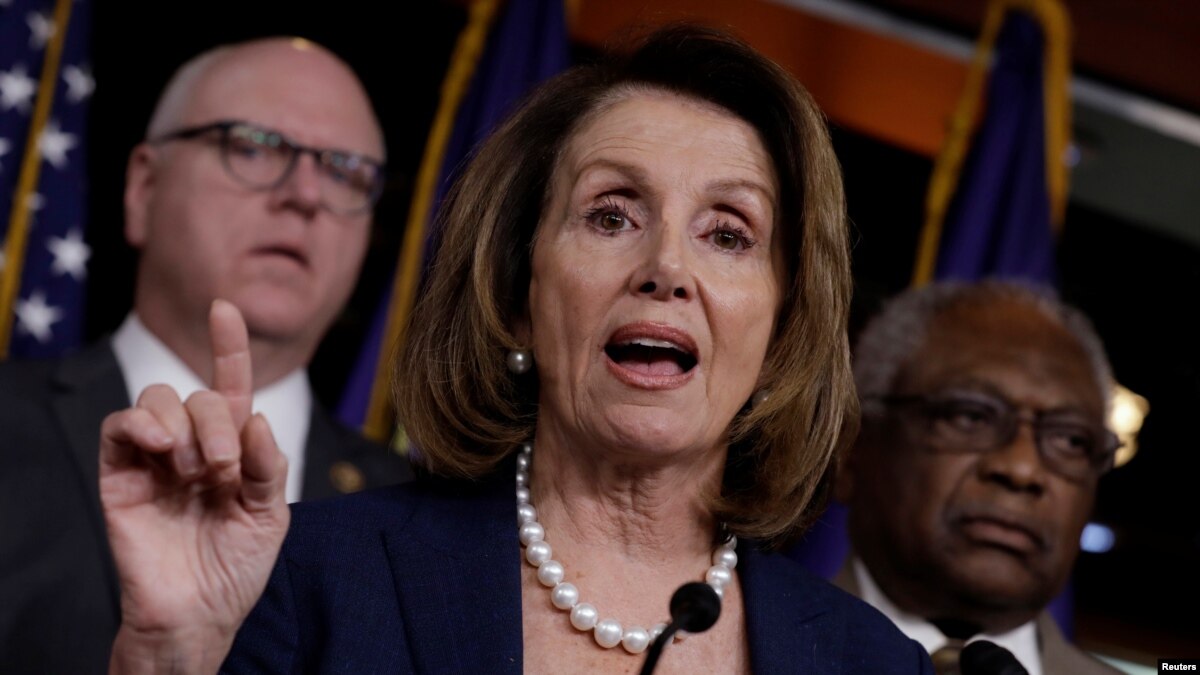
The top Democrat in the U.S. House of Representatives on Thursday called for the removal of the Republican chairman of the House Intelligence Committee,
saying he had acted dishonestly in altering a memo about the
Russia probe.

"It has now come to our attention that Congressman (Devin) Nunes deliberately and materially altered the contents of the memo since it was voted on by the House Republicans," Pelosi said in a letter to House Speaker Paul Ryan. "This action is not only dangerous, it is illegitimate, and violates House rules."

Any decision to remove Nunes would be one for Ryan to make.

The committee had agreed to release the memo, which alleges bias against President Donald Trump at the FBI, in a move supported by Ryan.

Let's block ads! (Why?)

Read More Pelosi Calls for Removal of House Intelligence Chair : http://ift.tt/2nC4miT

Pence Touts Tax Cuts, Slams Manchin in West Virginia

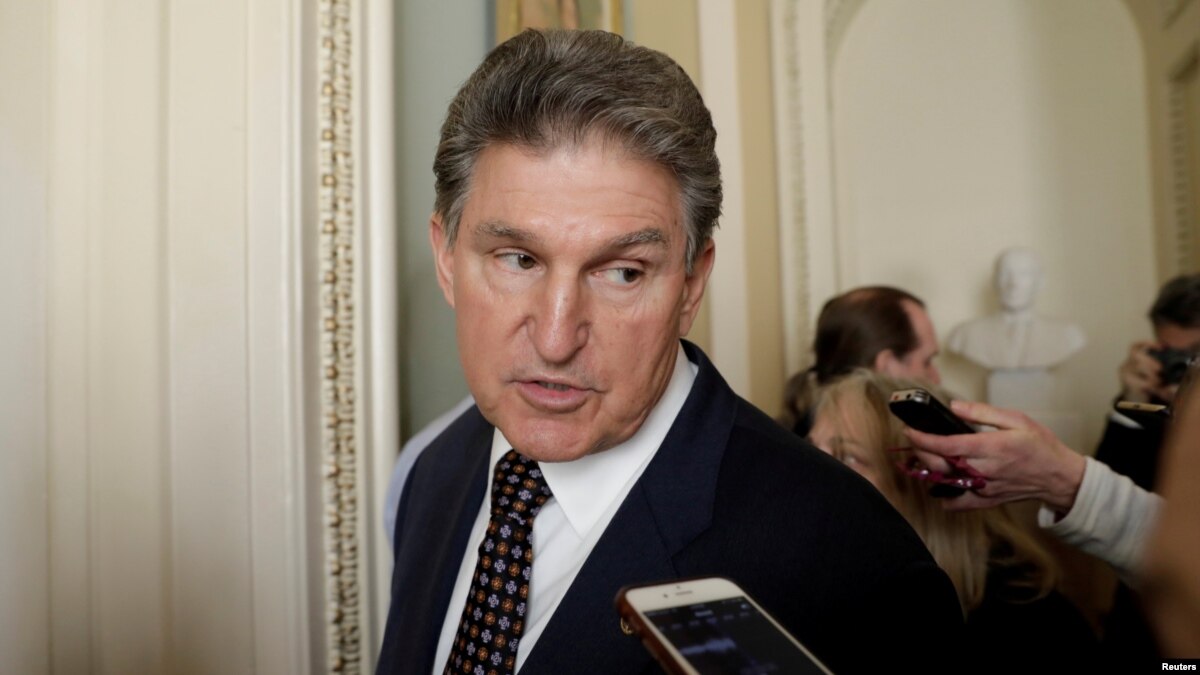
Vice President Mike Pence traveled to West Virginia Wednesday to tout the impact of tax cuts and pick a fight with the state's Democratic Sen. Joe Manchin, who voted against the plan.

Manchin, who faces a tough re-election fight this year, pushed back forcefully, saying Pence's comments "are exactly why Washington Sucks."

In a visit to a truck dealership in West Virginia, Pence praised Republican Rep. Evan Jenkins, who attended the speech, for voting for the tax bill. Jenkins is running for Manchin's seat.

"People of the Mountain State, you deserve to know, when it came to cutting your taxes, Joe voted no," Pence told employees of Worldwide Equipment Inc. "Joe voted no to giving working families more of your hard-earned money. Joe voted no on tax cuts for job creators."

"But it's not just the tax cuts. Sen. Joe Manchin has voted no time and again on the policies that West Virginia needs," Pence added. He cited the Democrat's votes against defunding Planned Parenthood and repealing former President Barack Obama's health care overhaul, as well as his stated opposition to building a wall along the border with Mexico.

"Folks, Joe is just going to keep voting against West Virginia," Pence said. "But West Virginia needs to let him know."

Manchin responded in a statement saying, "The Vice President's comments are exactly why Washington Sucks."

"I am shocked that after the Vice President worked for almost a year in a divisive and partisan way to take healthcare away from almost 200,000 West Virginians, bankrupt our hospitals, and push tax cuts for the wealthiest Americans and huge corporations that he would come to West Virginia and continue his partisan attacks," Manchin said. He noted that President Donald Trump called for "unity and bipartisanship" in his State of the Union speech Tuesday.

Pence, speaking from a podium in a garage at Worldwide Equipment, said cuts in taxes and federal regulations prompted CEO Terry Dotson to give bonuses to all the company's 1,100 employees and move ahead with plans for a new dealership in Charleston, South Carolina.

The $300 bonuses were paid in December when the tax bill was signed, Dotson said. The biggest benefit in the bill was the cut in the corporate income tax rate, he said, which went from 35 to 21 percent.

Let's block ads! (Why?)

Read More Pence Touts Tax Cuts, Slams Manchin in West Virginia : http://ift.tt/2nuEPZz

Trump at Odds with FBI, Justice Dept. Over Release of Classified Russia Memo

U.S. President Donald Trump is at odds with both the FBI and the Justice Department over whether to release a classified memo alleging that top law enforcement officials were biased against the president.

The "Nunes memo," named for the Republican congressman who drafted it in recent weeks, allegedly includes details about Justice Department efforts ahead of the 2016 U.S. presidential election to seek authority from the Federal Intelligence Surveillance Court to monitor a Trump campaign adviser's possible contacts with Russian operatives.

Trump has said he favors release of the memo. The White House could release it as soon as Thursday.

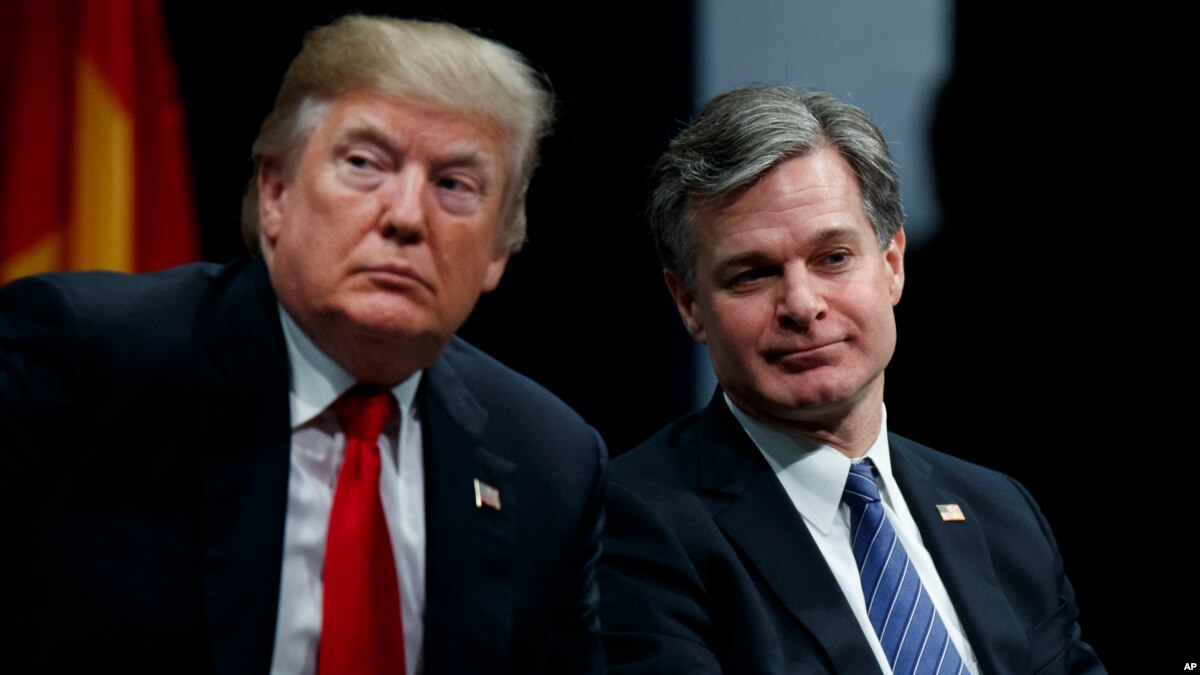
But in a highly unusual public standoff with a U.S. president, the Federal Bureau of Investigation, led by Trump's appointee, Christopher Wray, said the bureau had "grave concerns" about the accuracy of the memo. Wray and Deputy Attorney General Rod Rosenstein, in a meeting earlier in the week with Trump's chief of staff John Kelly, both implored the White House to keep the memo secret.

Meanwhile, the top Democrat on the House Intelligence panel, Congressman Adam Schiff of California, said late Wednesday the committee's Republicans altered the classified memo before sending it to the White House instead of sending the version they had shown to lawmakers and approved for release in a party-line vote.

Schiff said in a letter to committee Chairman Devin Nunes, a California Republican and Trump supporter, that Democrats had discovered that the memo had undergone "material changes" that committee members had not been able to review or approve. He called the situation "deeply troubling."

"While the majority's changes do not correct the profound distortions and inaccuracies in your document, they are nonetheless substantive," Schiff said.

A Nunes spokesman responded with a statement saying the version sent to the White House had only "minor edits" and that Democrats were trying to distract from the "abuses detailed in the memo."

"In its increasingly strange attempt to thwart publication of the memo, the Committee Minority is now complaining about minor edits to the memo, including grammatical fixes and two edits requested by the FBI and by the Minority themselves," the spokesman said.

Nunes called the FBI's objections to release of the memo "spurious."

"The FBI is intimately familiar with ‘material omissions' with respect to their presentations to both Congress and the courts, and they are welcome to make public, to the greatest extent possible, all the information they have on these abuses," Nunes said in a statement. "Regardless, it's clear that top officials used unverified information in a court document to fuel a counterintelligence investigation during an American political campaign. Once the truth gets out, we can begin taking steps to ensure our intelligence agencies and courts are never misused like this again."

The memo concerns an application by U.S. law enforcement authorities to the surveillance court to monitor contacts Trump campaign adviser Carter Page may have had with Russian operatives leading up to the election. Some Republicans say the surveillance request may have been mishandled and suggest the episode could undermine special counsel Robert Mueller's investigation of Russian meddling in the election and whether Trump obstructed justice to try to impede the probe.

Prior to issuing his letter Wednesday night, Schiff said in an op-ed article in The Washington Post that the decision to release the memo crossed a "dangerous line."

"Doing so without even allowing the Justice Department or the FBI to vet the information for accuracy, the impact of its release on sources and methods, and other concerns was, as the Justice Department attested, "extraordinarily reckless," he wrote.

"But it also increases the risk of a constitutional crisis by setting the stage for subsequent actions by the White House to fire Mueller or, as now seems more likely, deputy attorney general Rod J. Rosenstein," Schiff said. Schiff said such a scenario "would echo the 1973 Saturday Night Massacre," former President Richard Nixon's purge of officials investigating corruption in his White House.

The memo has become a flashpoint in politically divided Washington, with some Republicans increasingly voicing complaints about Mueller's months-long investigation and claiming that some Justice Department officials have worked to undermine Trump's presidency.

Trump has repeatedly said there was "no collusion" between his campaign and Russia. Last week, he said there also was "no obstruction" of the Russia investigation.

Let's block ads! (Why?)

Read More Trump at Odds with FBI, Justice Dept. Over Release of Classified Russia Memo : http://ift.tt/2DT8guu

Trump Falsely Claims Most-Watched State of Union Speech

President Donald Trump says the ratings for his first State of the Union address this week are “the highest number in history,” but that is not true.

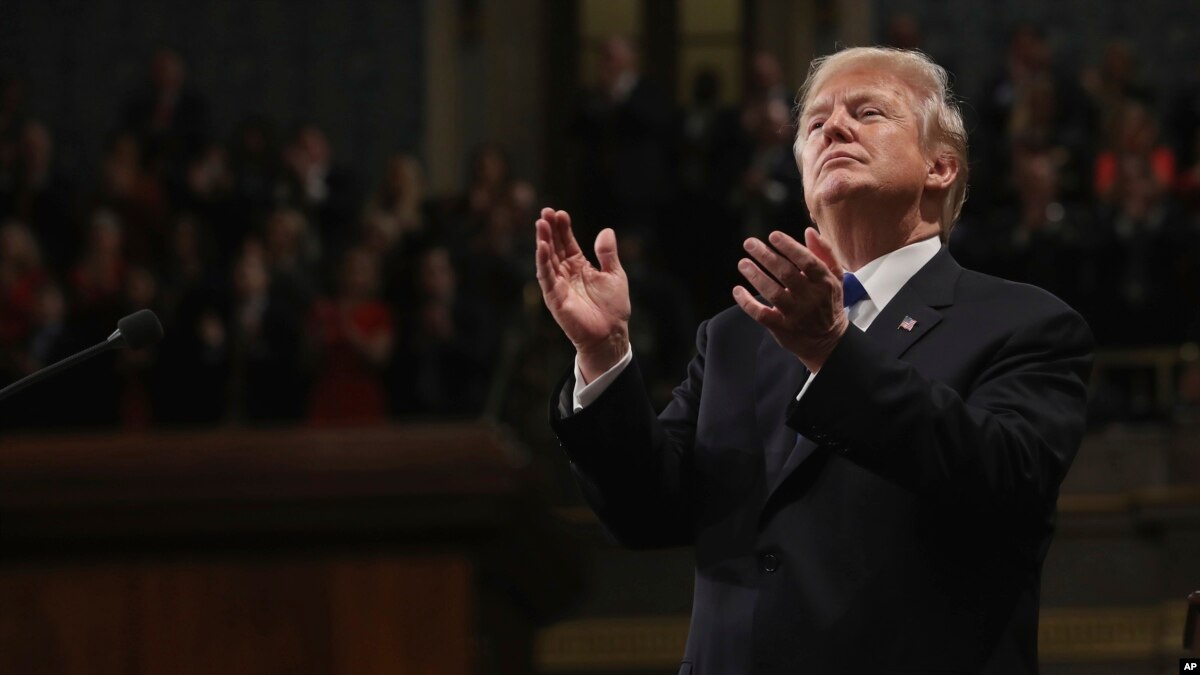
Nielsen reports that about 45.6 million tuned in to watch Trump Tuesday night. That's below viewership for President Barack Obama's first State of the Union, which was about 48 million, and Trump's own joint address to Congress last year.

It also trails the 46.8 million viewers who tuned into President Bill Clinton's first State of the Union speech, and the 51.7 million who watched President George W. Bush's 2002 address.

Trump falsely argued last year that his inauguration was the most well-attended one ever.

Let's block ads! (Why?)

Read More Trump Falsely Claims Most-Watched State of Union Speech : http://ift.tt/2DRZv8a

5 Things: What Yellen's Fed Tenure Will be Remembered For

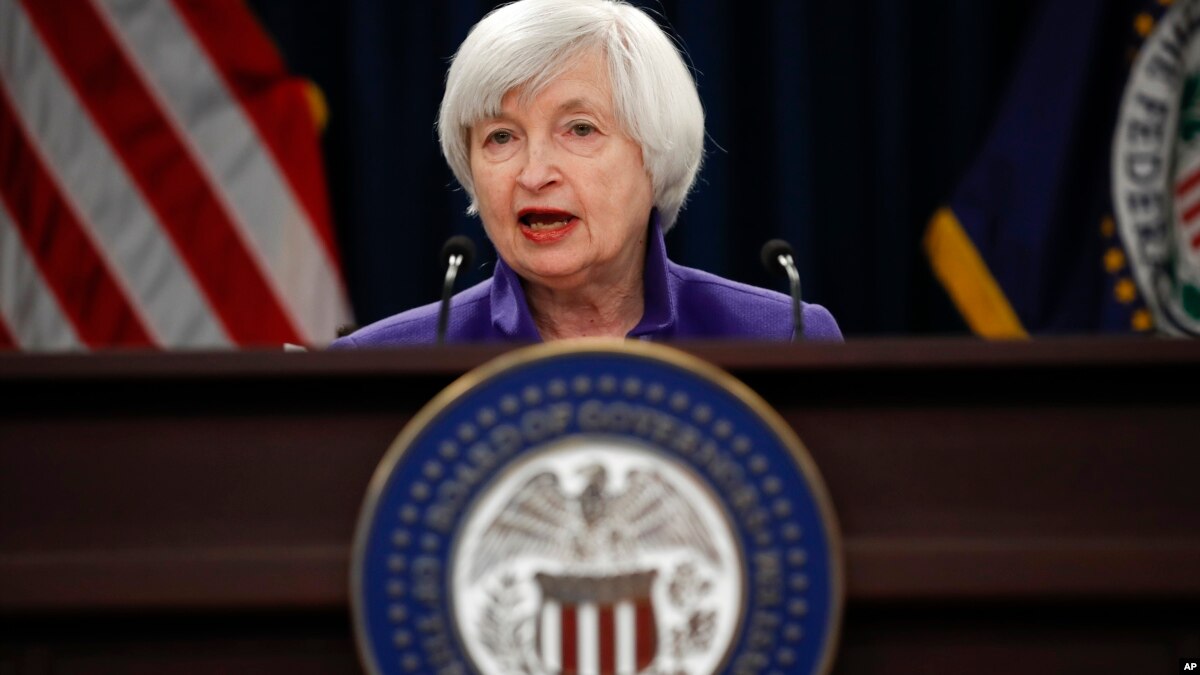
When Janet Yellen leaves the Federal Reserve this weekend after four years as chair, her legacy will include having shattered a social barrier: She is the first woman to have led the world's most powerful central bank, a position that carries enormous sway over the global economy.

Yellen will be remembered, too, for her achievements in deftly guiding the Fed's role in the U.S. economy's slow recovery from a crushing financial crisis and recession. She picked up where her predecessor, Ben Bernanke, had left off in nurturing the nation's recuperation from a crisis that nearly toppled the financial system.

As Jerome Powell prepares to succeed Yellen as leader of the U.S. central bank, here are five areas in which Yellen's era at the Fed will be remembered:

Crisis management

Yellen served not just the past four years as Fed chair but for 2{ years in the 1990s as a Fed board member, then six years as president of the Fed's San Francisco regional bank and then for four years as the Fed's vice chair during Bernanke's second four-year term. In all those roles, Yellen proved herself an able economic forecaster. She often detected perils before others saw reason for alarm, and she became a forceful advocate, especially during the Great Recession, for an aggressive response to economic weakness.

Transcripts of Fed policy meetings from the fall of 2008, when Lehman Brothers' collapse ignited the most dangerous phase of the financial crisis, show that Yellen helped drive the Fed to unleash just about everything in its economic arsenal, including slashing its key short-term interest rate to a record low near zero.

Bold actions

As the recession deepened and millions more Americans lost jobs, Yellen was an assertive voice backing up Bernanke in the path-breaking move by the Fed to buy enormous quantities of Treasury and mortgage bonds to try to drive down long-term borrowing rates to support the economy. Critics warned that the bond purchases, which eventually swelled the Fed's balance sheet five-fold to $4.5 trillion, could trigger high inflation. So far, inflation has not only remained low but for six years has remained below even the Fed's 2 percent target rate.

The Yellen-led Fed continued to support the bond purchases in the face of skepticism. Later, it rebuffed pressure to start selling off its record-high bond holdings. Finally, in October, after the Fed felt it had achieved its goal of maximum employment, it began gradually paring its bond portfolio.

Clear communications

Yellen extended an innovation of the Bernanke Fed by holding quarterly news conferences after four of the eight policy meetings each year. At these roughly hour-long sessions, Yellen usually managed to shed some light on the Fed's thinking about its rate policy while cautioning that any future policy changes would hinge on the latest economic data. By all accounts, she avoided any major communication stumbles by telegraphing the Fed's moves in advance to avoid catching investors off guard.

Her success in this area contrasted with a rare but memorable stumble by Bernanke: In 2013, as Fed chairman, Bernanke triggered what came to be called the "taper tantrum." It occurred when he first raised the possibility that the Fed could start gradually tapering its bond purchases sometime in the months to follow — unexpected remarks that sent bond prices plunging.

Jobs above all

Yellen, more than her predecessors, stressed the overarching importance of increasing job growth to the greatest level possible. Maximum employment is one of the two mandates Congress lays out for the Fed. The other is to manage interest rates to promote stable prices, which the Fed has defined as inflation averaging 2 percent annually.

Yellen's predecessors typically worried most about triggering debilitating bouts of inflation of the kind that the United States suffered in the 1970s. That meant favoring higher rates to limit borrowing and spending.

Yellen was different. She believed the U.S. economy had entered an era in which the gravest threat was not a resurgence of inflation but a prolonged period of weak job growth. She argued that the Fed could leave its key policy rate at a record low near zero for far longer than had previously been thought prudent.

The Fed's benchmark rate remained near zero from late 2008 until December 2015, when the central bank raised it modestly. Since then, the Fed has gradually raised rates four additional times, leaving its key rate in a still-low range of 1.25 percent to 1.5 percent — well below the level usually associated with a prolonged economic expansion and a tight job market.

History's judgment

So far, Yellen has been proved correct in her bet that rates could remain lower for longer without causing high inflation. The unemployment rate has reached a 17-year low of 4.1 percent with still-low inflation.

Yet many of Yellen's critics remain unconvinced. They contend that her insistence on low rates has helped swell dangerous bubbles in such assets as stocks and perhaps home prices. They further warn that because the Fed took so long to begin raising rates, a Powell-led Fed could trigger market turbulence with further rate increases and end up harming the economy — possibly even triggering a recession.

Yellen's supporters, though, argue that once again she will be proved correct and that the Fed will be able to achieve an economic soft landing: Raising rates enough to keep the economy from overheating but not so much as to derail the expansion, already the third-longest in U.S. history.

Let's block ads! (Why?)

Read More 5 Things: What Yellen's Fed Tenure Will be Remembered For : http://ift.tt/2DRRCLR

Search

Featured Post

Politics - The Boston Globe

unitedstatepolitics.blogspot.com Adblock test (Why?) "politic" - Google News February 01, 2024 at 03:47AM https://ift.tt...

Postingan Populer